Vegetarian Diet – Lifestyle or Trend

First of all, put simply, a vegetarian diet is one that gives up every kind of meat (poultry included) and fish.
There are also different forms, such as ovo or lacto vegetarians. By now, more than 6 million people in Germany eat vegetarian. The prejudices that existed when this way of eating first became known, such as the claim that it's unhealthy to eat no meat, have since been refuted. On the contrary, there are many benefits, both for the body and for the environment. Of course, deficiencies can occur if you ignore some nutrition guidelines, especially where nutrients are concerned. As always, a vegetarian diet is about finding a meal plan that is balanced and healthy.
The reasons for a vegetarian diet
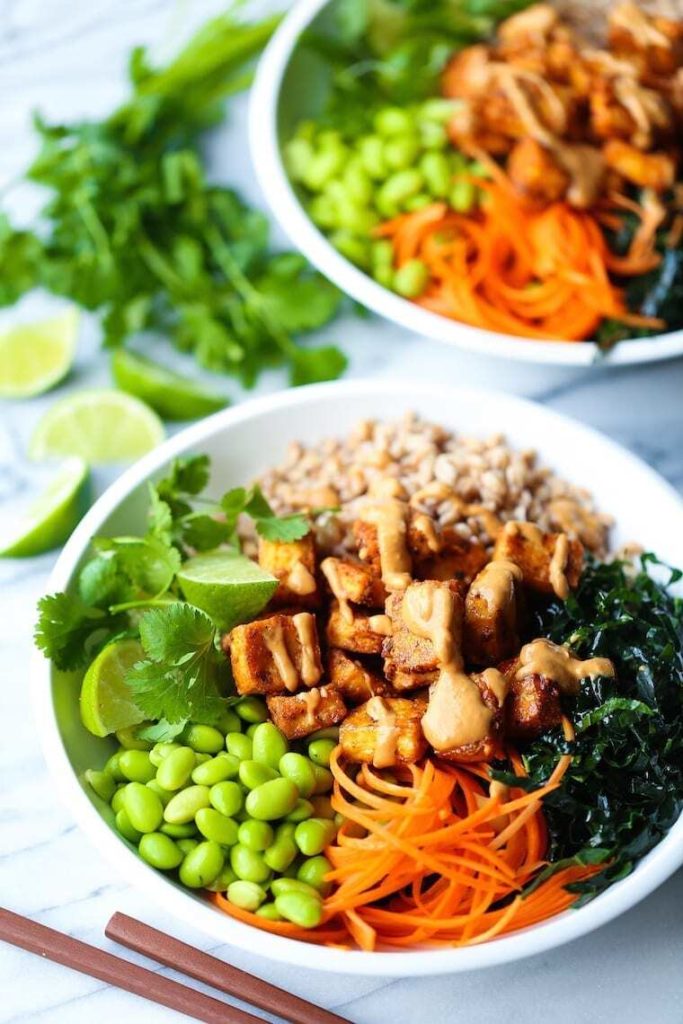
For many vegetarians the main reason is that animals have to die when you eat meat. The sometimes utterly unacceptable conditions during rearing, during transport to the slaughterhouses and the slaughter itself are probably the most common reason for giving up meat. Simply not being complicit in this animal suffering any longer.
Another factor is certainly the environment and protecting it, which contributes to giving up meat. It's mainly about greenhouse gases and climate change. Each vegetarian decides for themselves how far they go. Ovo vegetarians, for example, also give up milk and dairy products, pescetarians eat no meat but do eat fish. There are also pollo vegetarians, who additionally eat poultry.
One more group deserves a mention here, namely vegans, who reject everything that comes from animals, such as food, milk and eggs, and beyond that all animal products like leather or soap.
Of course, there are also health reasons that make switching to a vegetarian diet easy for many people. Especially with high blood pressure, excess weight and high cholesterol levels, switching to a plant-based diet can deliver good results. Since many vegetarians care about a healthy, balanced diet, they also pay attention to eating suitable foods.
Foods that suit a vegetarian diet
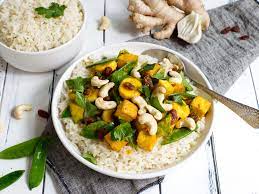
- Vegetables
- Fruit
- Legumes
- Whole grain products
- Nuts
- Protein-rich foods (e.g. tofu, quark, quinoa, eggs)
The possible downsides of a vegetarian diet
Deficiencies can also occur, such as protein, zinc or potassium deficiency. Body weight can drop, and there can be risks with food allergies. It's important to also eat foods containing iodine or foods high in iron. You should also be careful with so-called meat substitutes, because they can often contain a lot of sugar and salt.
If you want to look out for the environment, for animals (especially regarding factory farming and the suffering that comes with it), but also for yourself and your health, then switching to a vegetarian diet is certainly worth recommending.